
What is Neuroplasticity and Why Is It Important For Stroke Survivors?
Neuroplasticity is the brain’s ability to form and reorganize neural connections in response to learning, experience and injury. After a stroke, rehabilitation uses this ability


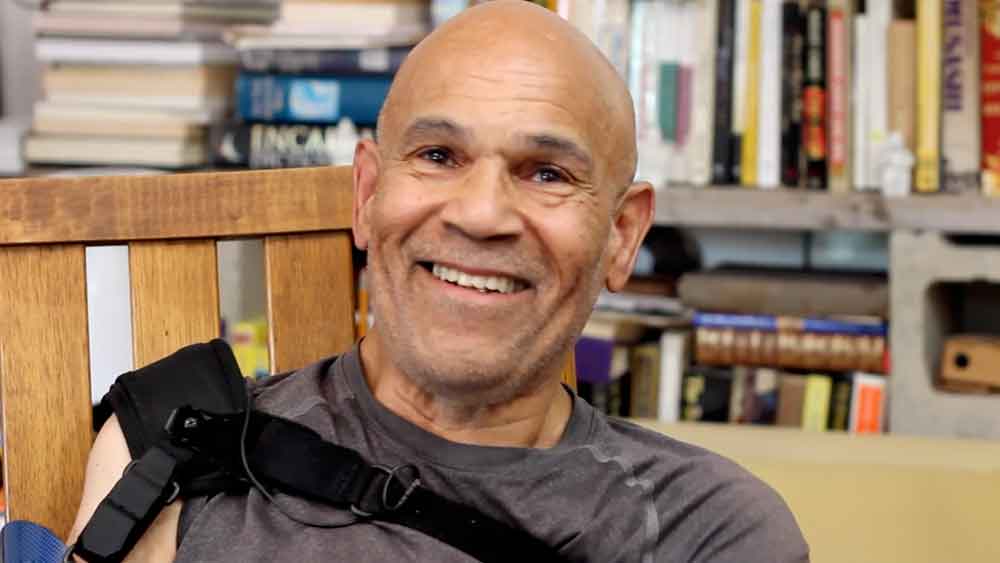


Neuroplasticity is the brain’s ability to form and reorganize neural connections in response to learning, experience and injury. After a stroke, rehabilitation uses this ability

Pseudobulbar affect (PBA) is a neurological condition that can cause sudden, involuntary episodes of laughing or crying that may not match how a person actually

Self-care for a stroke caregiver means protecting the basics: sleep, decent meals, some exercise, time with other people and regular breaks from caregiving. It also